Pinebrick: A Raw and Natural Display Font for Outdoor-Themed Designs
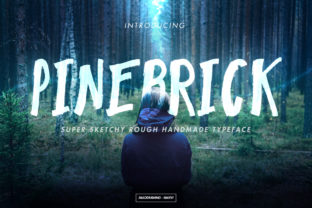
When it comes to choosing a display font that captures the essence of the outdoors, Pinebrick stands out as a unique and compelling option. This raw and natural display font with a sketchy style brings a sense of authenticity and ruggedness that can elevate any outdoor-themed design. Whether you're working on branding, signage, or digital content, Pinebrick offers a distinctive look that resonates with nature lovers and outdoor enthusiasts.
The sketchy aesthetic of Pinebrick is one of its most defining features. It mimics the look of hand-drawn letters, giving your designs a more organic and personal touch. This characteristic makes it ideal for projects that aim to convey a sense of simplicity, creativity, or a connection to the natural world. Unlike more polished typefaces, Pinebrick embraces imperfections, which can add visual interest and make your work stand out in a crowded market.
Why Pinebrick Fits Outdoor-Themed Projects
Pinebrick's natural appearance aligns perfectly with the themes of outdoor activities, such as hiking, camping, and nature photography. Its rough edges and irregular shapes evoke the feeling of being in the wild, where everything is untamed and unstructured. This makes it an excellent choice for logos, banners, and promotional materials that aim to reflect the beauty and unpredictability of nature.
Consider using Pinebrick for a camping gear brand looking to create a strong visual identity. The font’s raw texture can complement images of tents, backpacks, and trail maps, reinforcing the brand’s connection to the outdoors. Similarly, a travel blog might use Pinebrick for headlines to give readers a sense of adventure and exploration.
Another benefit of Pinebrick is its versatility. While it has a strong personality, it can still be used in a variety of contexts without overwhelming the design. When paired with simpler fonts or clean backgrounds, Pinebrick can add a touch of character without sacrificing readability. This balance makes it suitable for both bold statements and more subtle applications.
Practical Benefits of Using Pinebrick
One of the key advantages of Pinebrick is its ability to communicate a specific mood or message. The sketchy style can evoke feelings of nostalgia, creativity, or even resilience—qualities often associated with outdoor experiences. This emotional connection can help build a stronger bond between the audience and the brand or message being conveyed.
In terms of functionality, Pinebrick is well-suited for large-scale displays where visual impact is crucial. Its distinct shape ensures that it remains legible even from a distance, making it a great choice for signage, posters, and billboards. However, it’s important to note that Pinebrick may not be the best option for body text due to its intricate details, which could reduce readability in smaller sizes.
Designers who are looking to differentiate their work from competitors may find Pinebrick particularly useful. In industries where many brands rely on sleek, modern fonts, Pinebrick offers a refreshing alternative that can set a project apart. This is especially true in niche markets, such as eco-friendly products or artisanal crafts, where a more authentic look is valued.
Scenarios Where Pinebrick Shines
Imagine a local park promoting a community event with a banner that reads “Join the Adventure!” using Pinebrick. The font’s rough texture would blend seamlessly with images of trees, trails, and people enjoying the outdoors, creating a cohesive and inviting visual experience. In this scenario, Pinebrick helps reinforce the message of discovery and connection with nature.
Another example could be a coffee shop that wants to highlight its commitment to sustainability. By using Pinebrick for its logo and signage, the shop can visually represent its values while maintaining a warm and approachable image. The font’s natural feel complements the idea of locally sourced, environmentally conscious products.
For digital content, Pinebrick can be used in social media posts, website headers, or email newsletters to capture attention and add a unique flair. It works especially well when paired with earthy tones, rustic textures, or nature-inspired imagery. This combination can create a visually striking design that feels both modern and grounded.
Considerations Before Choosing Pinebrick
Before adopting Pinebrick, it’s important to consider the context in which it will be used. While its raw style is appealing, it may not be appropriate for all types of projects. For instance, a high-end fashion brand might prefer a more refined and elegant font to match its image. In such cases, Pinebrick could feel out of place or even detract from the overall aesthetic.
Additionally, designers should test Pinebrick in different formats and sizes to ensure it meets their needs. It’s a good idea to review how the font appears in print versus digital media, as the texture and detail may vary depending on the medium. This step can help avoid unexpected issues and ensure that the final design looks as intended.
Finally, it’s worth exploring other similar fonts to see if they better suit a particular project. While Pinebrick is a strong choice, there may be alternatives that offer slightly different characteristics or styles. Comparing options can lead to more informed decisions and better results.
How Pinebrick Can Enhance Your Workflow
Integrating Pinebrick into your design workflow can bring a new level of creativity and expression to your projects. Its unique style encourages experimentation and can inspire fresh ideas for visual storytelling. Designers who are looking to push the boundaries of traditional typography may find Pinebrick to be a valuable tool in their arsenal.
Moreover, Pinebrick can be a great asset for teams working on collaborative projects. Its distinct look can serve as a visual anchor, helping to maintain consistency across different elements of a design. This is especially useful in branding efforts where a unified identity is essential.
For those just starting out, Pinebrick can also be a fun and engaging way to explore the possibilities of typography. It invites users to think about how different styles can influence the perception of a message, making it a useful learning tool as well as a practical resource.