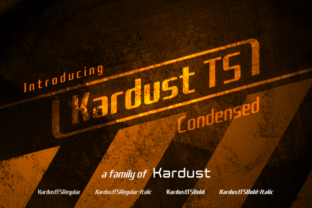
Kardust TS: A Dynamic Font for Modern Design Workflows
In the world of design and typography, the right font can make a significant difference in how a message is received and understood. Kardust TS is a dynamic and strong display font that offers a modern aesthetic, making it a valuable tool for professionals across various industries. Whether you're working on a branding project, a marketing campaign, or a personal creative endeavor, Kardust TS can enhance your visual communication strategy.
Understanding Kardust TS and Its Role in Design
Kardust TS is more than just a font; it's a versatile element that can be integrated into different stages of a design process. It is designed to stand out while maintaining readability, which makes it ideal for headings, logos, and other prominent text elements. The font’s bold structure and clean lines provide a sense of strength and clarity, aligning with contemporary design trends that emphasize simplicity and impact.
When considering where Kardust TS fits into a broader workflow, it's important to think about the purpose of the design. For instance, if you're creating a brand identity, Kardust TS can serve as the primary typeface for your logo and key visual elements. This consistency helps reinforce brand recognition and ensures a cohesive look across all materials.
Using Kardust TS in Different Phases of a Project
The integration of Kardust TS can occur at multiple stages of a project, from initial planning to final execution. Before starting a design task, consider how this font can support your goals. If you're aiming for a modern, eye-catching look, Kardust TS may be an excellent choice. It can help set the tone for your project and guide the overall visual direction.
During the design process, Kardust TS can be used alongside other fonts to create contrast and hierarchy. For example, pairing it with a more traditional serif font can add depth and interest to a layout. This combination allows for a balanced approach that leverages the strengths of both typefaces.
After completing a project, Kardust TS can play a role in quality control and review. Ensuring that the font is used consistently across all deliverables is essential for maintaining a professional appearance. This attention to detail can differentiate your work from others and reflect a commitment to excellence.
Integration with Other Tools and Resources
Kardust TS works well with a variety of design tools and platforms, making it accessible for both digital and print projects. Whether you're using Adobe Creative Suite, Figma, or Canva, the font can be easily incorporated into your workflow. This compatibility allows for seamless transitions between different stages of design and development.
When working with a team, it's important to ensure that everyone has access to Kardust TS. Sharing the font file or providing links to download it can prevent inconsistencies and streamline the design process. Clear communication about font usage can also help maintain a unified visual language across all materials.
Additionally, Kardust TS can be used in conjunction with other design elements such as color schemes, imagery, and layout structures. By considering these components together, you can create a more cohesive and impactful design that resonates with your audience.
Practical Implementation Tips
To effectively implement Kardust TS in your workflow, start by experimenting with different sizes and weights. Testing the font in various contexts can help you understand its versatility and limitations. For example, using it in large headlines may produce a strong visual impact, while smaller text may require adjustments for optimal readability.
Another tip is to pay attention to spacing and alignment. Kardust TS has distinct characteristics that can affect how text is perceived. Proper kerning and leading can enhance legibility and ensure that the font complements the overall design rather than detracts from it.
Finally, consider the target audience when using Kardust TS. While it may be suitable for a tech startup or a creative agency, it might not be the best choice for a more conservative business or a formal publication. Understanding the context in which the font will be used can help you make informed decisions about its application.
Workflow Examples and Observations
Let’s explore a few practical scenarios where Kardust TS can be effectively utilized. For a marketing campaign, using Kardust TS for headlines can draw attention and convey a sense of energy and innovation. Pairing it with a complementary sans-serif font for body text can create a balanced and professional look.
In a branding project, Kardust TS can serve as the foundation for the visual identity. It can be used in the logo, website headers, and promotional materials to establish a consistent and memorable presence. This approach helps build brand recognition and reinforces the intended message.
For educational materials, Kardust TS can be used to highlight key points and make content more engaging. However, it's important to use it sparingly to avoid overwhelming the reader. Combining it with simpler fonts for longer text can improve readability and ensure that the information is accessible to all audiences.
Factors to Consider for Long-Term Use
When integrating Kardust TS into your long-term workflow, several factors should be considered. Preparation is essential—ensuring that the font is properly installed and accessible across all devices and platforms can prevent disruptions in your design process. Regular updates and backups can also help maintain the integrity of your work.
Compatibility is another important aspect. As design software and operating systems evolve, it's crucial to verify that Kardust TS continues to function correctly. Testing the font in different environments can help identify any potential issues before they become problematic.
Usability and organization are also key considerations. Keeping track of font usage across projects and teams can help maintain consistency and avoid confusion. Establishing guidelines for font application can streamline the process and ensure that Kardust TS is used effectively in all contexts.
Ultimately, the success of Kardust TS in your workflow depends on how well it aligns with your goals and needs. By understanding its strengths and limitations, you can make informed decisions about its use and maximize its impact on your design projects.