Bullhawk: A Bold Choice for Strategic Design and Brand Expression
Bullhawk is more than just a font—it’s a statement. With its distinctive Western-inspired lettering, Bullhawk offers a unique visual identity that can elevate branding, communication, and creative projects. For professionals across industries, understanding how to strategically use Bullhawk can lead to better outcomes in design, marketing, and customer engagement.
Understanding Bullhawk: A Unique Display Font
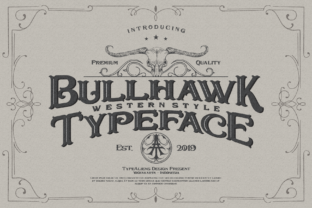
Bullhawk is a beautifully lettered display font that stands out due to its bold, handcrafted aesthetic. Its design draws inspiration from traditional Western typography, blending rustic charm with modern readability. This combination makes it ideal for projects that require both personality and clarity.
Unlike generic fonts that blend into the background, Bullhawk commands attention. It’s not meant for body text but rather for headlines, logos, and key visual elements where impact matters most. When used thoughtfully, it can add a sense of authenticity and strength to any design.
Strategic Use of Bullhawk in Branding and Communication
For entrepreneurs and marketers, Bullhawk can be a powerful tool in building a brand’s visual identity. Its unique style can help differentiate a business from competitors, especially in industries that value tradition or rugged individualism. Whether launching a new product line or rebranding an existing company, Bullhawk offers a fresh and memorable look.
Consider using Bullhawk in logo design, promotional materials, or social media graphics. Its strong presence can reinforce brand messaging and create a lasting impression on audiences. However, it’s important to balance its boldness with other design elements to avoid overwhelming the viewer.
When to Use Bullhawk: Practical Scenarios
Bullhawk is best suited for projects that benefit from a strong visual identity. Here are some scenarios where it can be particularly effective:
- Logos and Branding Materials: Bullhawk’s distinct style can make a brand stand out in a crowded market.
- Headlines and Titles: Use it to draw attention to key messages in presentations, websites, or printed materials.
- Marketing Campaigns: Incorporate it into ad copy, banners, or email subject lines to create a memorable visual hook.
- Content Creation: Bloggers and publishers may use it to highlight key sections of their work, adding a touch of personality and flair.
In each case, the goal is to use Bullhawk intentionally. It should enhance the message, not distract from it.
Planning and Approach: How to Integrate Bullhawk Effectively
Before incorporating Bullhawk into a project, consider the following steps:
- Define the Purpose: Determine what you want to achieve with the font. Is it for branding, storytelling, or audience engagement?
- Understand the Audience: Bullhawk may resonate differently with various demographics. Test it with your target audience to gauge reactions.
- Balance with Other Elements: Pair it with complementary fonts and design elements to maintain visual harmony.
- Test in Different Contexts: See how it looks in print, digital formats, and across different devices.
A strategic approach ensures that Bullhawk supports your goals rather than complicates them.
Long-Term Value: Building Consistency and Recognition
Consistency is key in branding. Using Bullhawk across multiple touchpoints—such as website headers, social media posts, and packaging—can help build brand recognition over time. This consistency reinforces the brand’s identity and makes it more memorable to customers.
However, it’s important to maintain flexibility. As trends evolve, so should your design choices. Bullhawk may remain relevant for years, but it’s wise to periodically assess its effectiveness and consider alternatives if needed.
Decision-Making and Risk Management with Bullhawk
While Bullhawk offers many benefits, it’s not without risks. Using it without clear goals or context can lead to poor design choices. For example, applying it to large blocks of text can reduce readability and confuse the audience.
Additionally, overuse can dilute its impact. If every element of a design uses Bullhawk, it loses its special quality. Strategic restraint is often more effective than excessive application.
To avoid these pitfalls, focus on purposeful use. Ask yourself: Does this application of Bullhawk serve a specific goal? Will it enhance the user experience? These questions can guide better decision-making.
Real-World Examples: How Others Are Using Bullhawk
Many businesses have successfully integrated Bullhawk into their branding strategies. For instance, a boutique coffee shop might use it in their logo to evoke a sense of authenticity and craftsmanship. A tech startup could use it in a keynote presentation to emphasize innovation and confidence.
Another example is a publishing house that uses Bullhawk for book titles, creating a visual signature that readers associate with quality and creativity. These real-world applications show how Bullhawk can be adapted to different industries and purposes.
Conclusion: Intentional Use Leads to Better Results
Bullhawk is a versatile and impactful font that can support a wide range of design and branding efforts. Its unique style offers a way to stand out in a competitive landscape, but its success depends on thoughtful application.
By understanding when and how to use Bullhawk, professionals can make better design decisions, improve communication, and strengthen their brand identity. The key is to use it intentionally, aligning its visual power with strategic goals and audience needs.